Who owns the Château de Chenonceau?
A chocolate family bought it
Henri Menier bought Chenonceau in 1913. The price is on record to the last franc, and it is in the table below rather than in this sentence, because this site keeps exact amounts inside tables. He died the same year and the château passed to his brother Gaston, whose name comes up again the moment the First World War starts.
| Year | Event | Recorded figure |
|---|---|---|
| 1913 | Henri Menier buys the château | 1,361,660 francs |
| 1913 | He dies; his brother Gaston inherits | — |
| 1840 | Classé at the title of monuments historiques, on the original list | — |
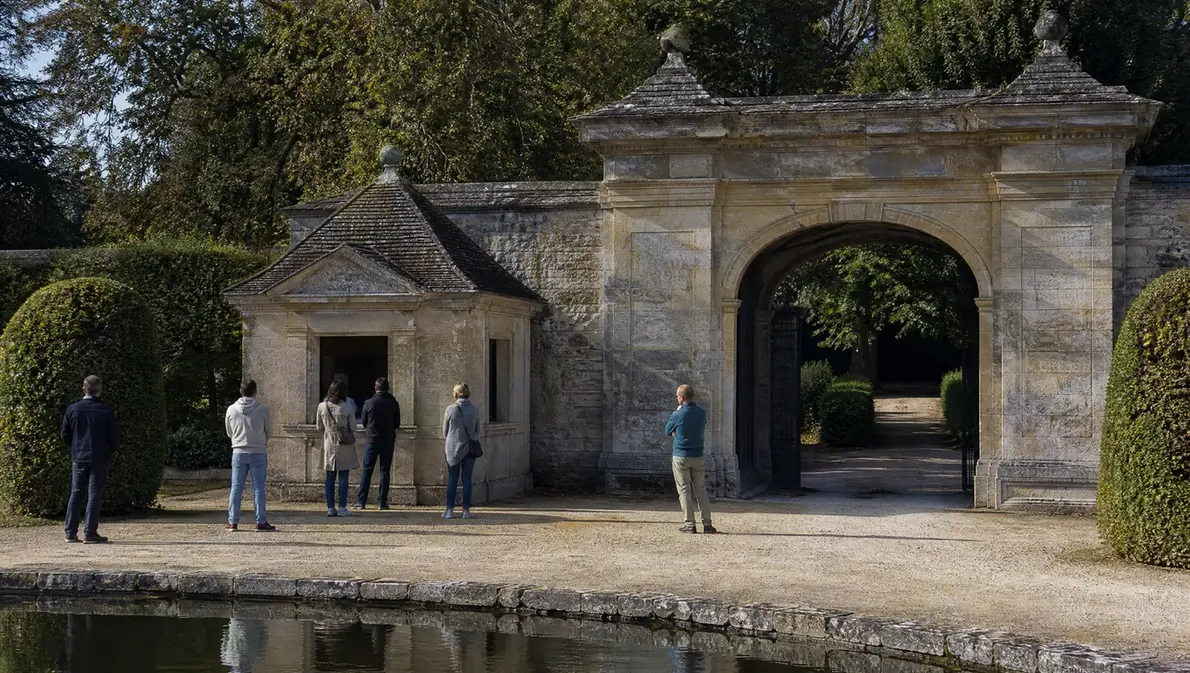
What private ownership has meant here
Gaston Menier equipped a temporary military hospital in the gallery at his own expense during the First World War, and his daughter-in-law Simonne Menier ran it: 2,254 wounded soldiers were treated there to 31 December 1918. In the Second World War the Cher was the demarcation line and the gallery’s two doors opened into two different Frances. Both stories are on the war years, and both happened while this was somebody’s house.
It still is. The château is open every day of the year, including 1 January and 25 December — the operator states that explicitly — and the admission costs about nineteen euros, the same at the door as through the platform. For a privately owned monument that combination is unusual, and the tickets page spends most of its length on it.
Why no individual is named here
Because a private family is not a public figure. Sources name individual Meniers across the twentieth century, and at least one third-party page names a family member for a recent stretch of years. This site says “the Menier family” and stops, which costs the reader nothing: the answer to “who owns Chenonceau” is a family and a date, not a name to look up.
What classé actually obliges
Classé is the higher of the two French heritage protections, and it changes what an owner may do to the building, what a restoration costs per square metre, and which authorities have to approve the work. It also connects to why so many French châteaux are open to the public at all: the restoration tax relief is generally conditional on opening for a minimum number of days a year. The whole picture is on what owning a château costs.
The Ladies’ Château did not stop being one in 1913. Simonne Menier ran the hospital in the gallery through the First World War — she is the seventh woman in the sequence on the Ladies.
Frequently asked questions
Who owns the Château de Chenonceau today?
The Menier family, of the chocolate business, who have owned it since 1913. This site does not name a living individual owner.
Is Chenonceau privately owned?
Yes, and it has been in the same family since 1913. It is also classé at the title of monuments historiques, on the original 1840 list.
Who bought Chenonceau in 1913?
Henri Menier. He died the same year and his brother Gaston inherited the château; Gaston paid for the military hospital installed in the gallery during the First World War.