Diane de Poitiers at Chenonceau: the woman who bridged the river
The bridge
This is the part that matters and the part most retellings skip. Before Diane, Chenonceau was a handsome house on the bank with a tower left over from an older fortress. She commissioned Philibert de l’Orme to carry an arched bridge across the water, and from that point the building had a foot on both sides of the Cher.
The commission and her formal ownership fall in the same year, 1555, and the building ran on through the rest of the decade. What nobody disputes is whose bridge it was.
Everything famous about Chenonceau sits on it. The gallery is Catherine’s, and it is 60 metres by 6 with eighteen windows; the kitchens are inside the piers holding it up; and the two doors at either end of that gallery were, in the Second World War, in two different Frances. None of it exists without a decision Diane took in the 1550s.
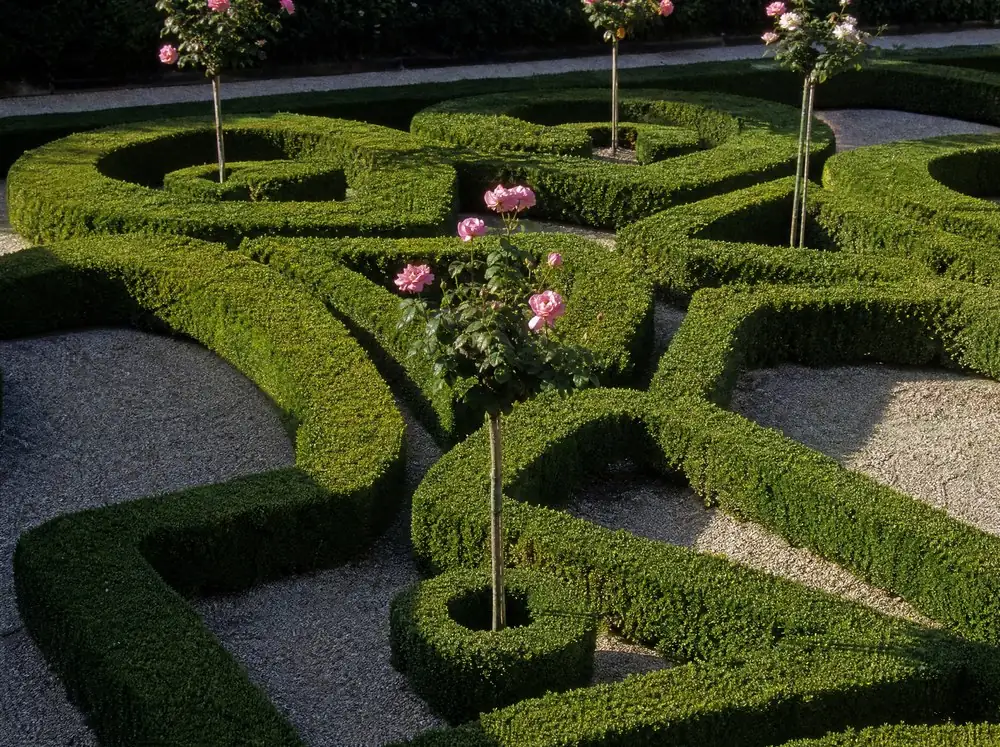
Her garden
The parterre that carries her name is the larger of the two: 12,000 m² in eight triangles of lawn, per the operator’s leaflet, raised and banked against the Cher’s floods from 1551. It is on the same ticket as the house, and so is everything else outside — more on the gardens.
How she lost it
Henri II died in 1559. Catherine de’ Medici, his widow, forced the exchange of Chenonceau for Chaumont, and Diane went. The château she left had a bridge and no gallery; the one Catherine made had a gallery and Diane’s name still on the room you walk through first. Catherine’s page has the other half.
Where you meet her in the house
Diane de Poitiers’ bedroom is on the ground floor, between the Chapel and the Green Cabinet, which was Catherine’s workroom as Regent. The operator’s route puts the two rooms within a few paces of each other, and the whole sequence is on what to see.
Look at the building from the far bank. The house is Briçonnet’s from the 1510s, the arches are Diane’s from the 1550s, and the long roofed storey on top of them is Catherine’s from 1576. Three owners, one elevation.
Next
Frequently asked questions
What did Diane de Poitiers build at Chenonceau?
The bridge. She commissioned Philibert de l’Orme to build an arched bridge from the house to the far bank of the Cher, which is why the château stands on the river at all.
When did Diane de Poitiers own Chenonceau?
Henri II gave it to her after 1547 and she took formal ownership in 1555. She lost it in 1559, when Catherine de’ Medici forced her to exchange it for Chaumont after the king’s death.
Which garden is Diane’s?
The 12,000 m² parterre in eight triangles of lawn, per the operator’s guide leaflet. It is included in the standard admission, like every other garden here.