Key takeaways
- The ticket costs the same either way. The operator’s adult ticket with the printed guide leaflet is about nineteen euros; the platform’s ticket listing is the same price, and its three inclusion lines are the plain ticket rather than the audioguide tier. What the ticket covers.
- It opens every day of the year, and the operator names the two days everybody assumes are exceptions: 1 January and 25 December. The hours move through the year, and from 5 January to 3 April it shuts at 16:30. The hours, month by month.
- The gallery is the reason to come. Sixty metres long, six wide, eighteen windows, built 1576 and inaugurated 1577 on the bridge Diane de Poitiers threw across the Cher — and the room the Resistance walked people through. The gallery over the Cher.
- Chambord has stopped charging everybody the same. From 1 January 2026 its door has two adult tariffs, one for EEA citizens and residents and a higher one for everyone else. The platform prints a single Chambord price and does not say which of the two it is. Chenonceau has one price. The two, compared on what is checkable.
- Most listings that reach it are transport, not a tour of the house. Eleven of the eighteen put the Chenonceau ticket in the price, one crosses it out in its own words, and one is a bike hire whose page never mentions it in either direction. All eighteen, with the admission column.
- Nobody publishes a room count. The operator’s own leaflet names seventeen interior rooms and spaces on the visitor route and gives no total, so the round numbers you see elsewhere come from somewhere else. Why the counts differ.
What the ticket buys, and what it does not
The plain admission ticket, which is the only thing on this page that is just this château. Three lines are included on the listing and they are the whole estate rather than the house alone.
In the price
- The château itself — the listing’s words are “Access to Chenonceau Castle”.
- The gardens, which means Diane de Poitiers’ parterre and Catherine de’ Medici’s garden, the labyrinth and the flower kitchen garden. The two gardens.
- The Dômes Gallery and the Carriage Gallery — named on the listing and on the operator’s own leaflet, which is how we know the two tickets are the same ticket.
- The printed guide leaflet. The operator’s adult ticket at this price is the “with guide leaflet” one, and the leaflet is what names every room on the route.
Booked separately, and what each one adds
- The audioguide. The operator sells it as a separate tier about five euros more, and the ticket listing calls it “an optional audio guide which is also available in 16 languages”. It is a thing you add.
- Time slot selection. This is the one line the listing strikes through: it points you at the voucher instead, and neither page says what that means on the day.
- Any transport, and any guide. Admission is all it is. For a live guide at the château there is a private option capped at five people, at 4.9 from 17 ratings. That listing, reviewed.
- A last-admission time. The operator publishes none at all, so plan back from the closing time rather than from a number somebody invented. Opening hours.
What you walk through, in the operator’s own order
The leaflet in the ticket runs the visit as one sequence rather than a list of highlights. This is that sequence.
You come in on the right bank, work along the ground floor to the Gallery, drop into the kitchens inside the bridge piers, climb two floors, and come out into the gardens. Allow for the fact that the middle of it is a room over a river and people stop.
- The François Ier door — The entrance, and it is on the right bank. That mattered once: when France was divided, this side of the water was the occupied zone.
- The Terrace and the Tower of the Marques — The keep left from the mill and manor Thomas Bohier bought in 1513, kept when the new residence went up between 1515 and 1521. His wife Katherine Briçonnet oversaw the building and received François Ier twice. When it was built.
- The Guard Room and the Chapel — The chapel holds sixteenth-century Flemish tapestries. It is the quietest part of the ground floor and most groups walk through it too fast.
- Diane de Poitiers’ bedroom — Henri II gave her the château after 1547; she took formal ownership in 1555 and commissioned Philibert de l’Orme to carry an arched bridge from the house to the far bank. Diane de Poitiers.
- The Green Cabinet and the Library — The Green Cabinet was Catherine de’ Medici’s workroom while she was Regent. Catherine de’ Medici.
- The Gallery — Sixty metres long, six wide, eighteen windows, built 1576 and inaugurated 1577 on Diane’s bridge. In the Second World War the Cher beneath it was the demarcation line, and the operator’s leaflet is plain about what that meant: the château’s entrance stood in occupied territory and the gallery’s south door opened on the left bank, “allowing the Resistance to move many people to free territory”. Nobody gets across it without stopping. The gallery in two wars.
- Down into the Renaissance kitchens — They are built into the piers of the bridge, which is to say inside the part of the house that stands in the river. The kitchens in the piers.
- Up to the Chamber of the Five Queens and Catherine’s bedroom — First floor, off the Katherine Briçonnet vestibule, with the Print Cabinet on the same level.
- Louise de Lorraine’s bedroom — Second floor, past the Bourbon-Vendôme vestibule. Henri III’s widow inherited in 1589 and stayed here until she died in January 1601. She is the one they called the White Queen, and this is the room she mourned in. The six women who kept it.
- Out to the two gardens — Diane’s parterre at 12,000 m² on one side and Catherine’s at 5,500 m² on the other, and past them the labyrinth with its 2,000 yews and the flower kitchen garden.
Seventeen interior rooms and spaces are named on that route, along with the François Ier Salon and the straight staircase the leaflet calls “one of the first straight staircases constructed in France”. That count is the leaflet’s; the operator publishes no official total. Room by room, what to see — and the one that earns the day, the gallery.
Four things to settle, in this order
Work out how you get there
It is 214 km from Paris and 34 km from Tours, and the SNCF station at Chenonceaux is 400 m from the ticket office. Getting there.
Decide what you are actually buying
Admission on its own, or a day out that includes it. The cards below say which is which, read off each listing’s own crosses. All eighteen.
Read the closing time before the opening one
From 5 January to 3 April it shuts at 16:30, and the operator publishes no last-admission time, so work back from the close. The hours.
Book, then turn up
The ticket is a voucher. The listing strikes out time-slot selection and sends you to the voucher instructions instead — the single difference between the two pages. What that means.
The ticket itself, at the price the door charges
The best-rated plain admission listing here, at 4.7 from 1,775 ratings, and the same money the operator asks for the same ticket. Live dates and today’s price below.
Three ways to end up inside, compared
The ticket on its own, the coach from Paris that carries more ratings than anything else reaching this château, and a minivan day from Amboise. All three are priced per person; there is no group rate anywhere in this catalogue.
| From Paris: Loire Valley Castles Day Trip With Wine Tasting | Only this châteauChenonceau Castle Admission Ticket | From Amboise: Chambord and Chenonceau Tour with Lunch | |
|---|---|---|---|
| Price, per person | €85 | €19 | €239 |
| What it is | Coach day from Paris, 13 hours | Admission, valid 1 day | Minivan day from Amboise, 8 seats |
| Chenonceau ticket | Included, skip-the-line | This is the ticket | Included |
| Guided inside the castles | Crossed out on its own page | No guide, and it does not claim one | Included — “entry ticket and guided tour” |
| Hotel pickup | Crossed out | Not applicable | Crossed out |
| Rating | 4.7 from 2,110 ratings | 4.7 from 1,775 ratings | 4.9 from 141 ratings |
| Also takes you to | Chambord, and free time in Blois | Nowhere — you make your own way | Chambord, and free time in Amboise for lunch at your own expense |
| View → | Book this → | View → |
Gallery
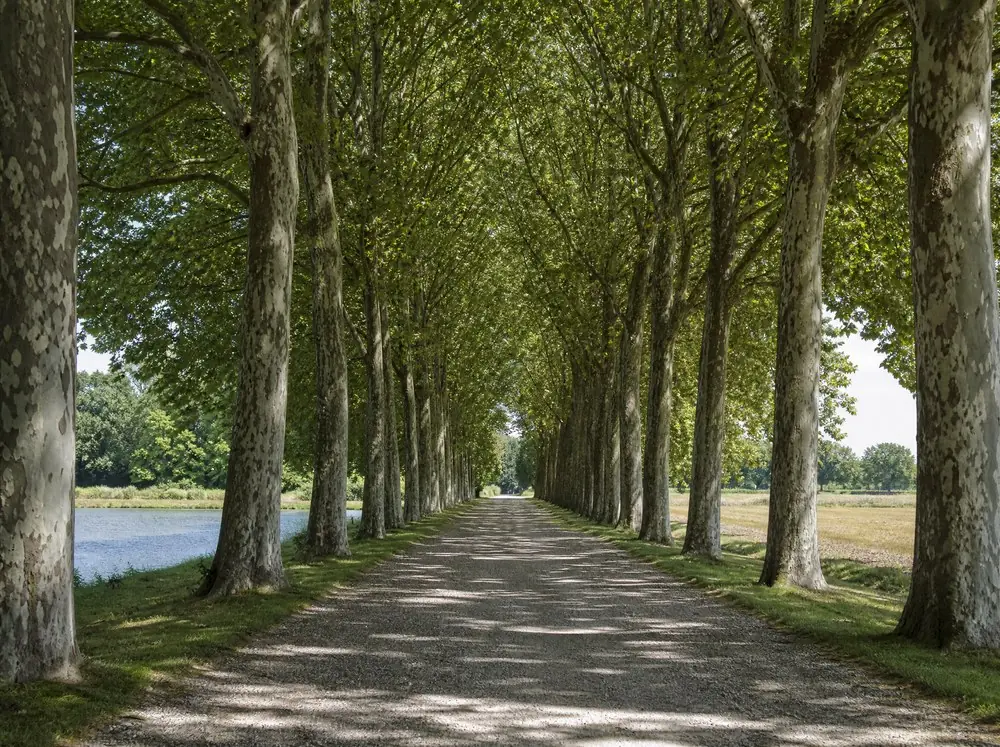
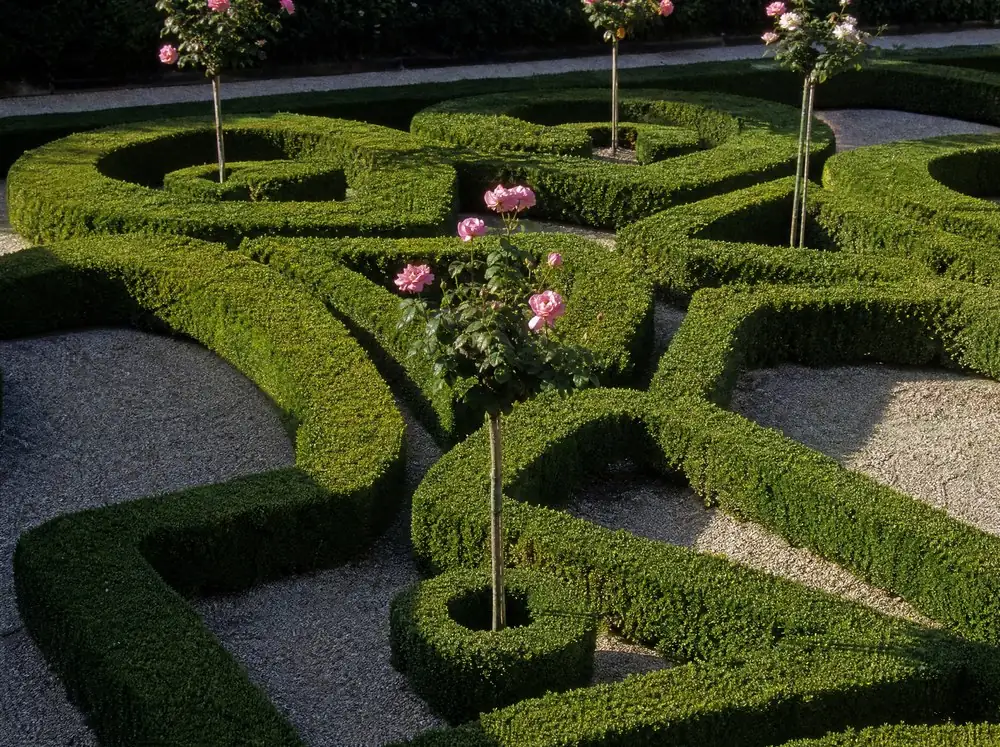
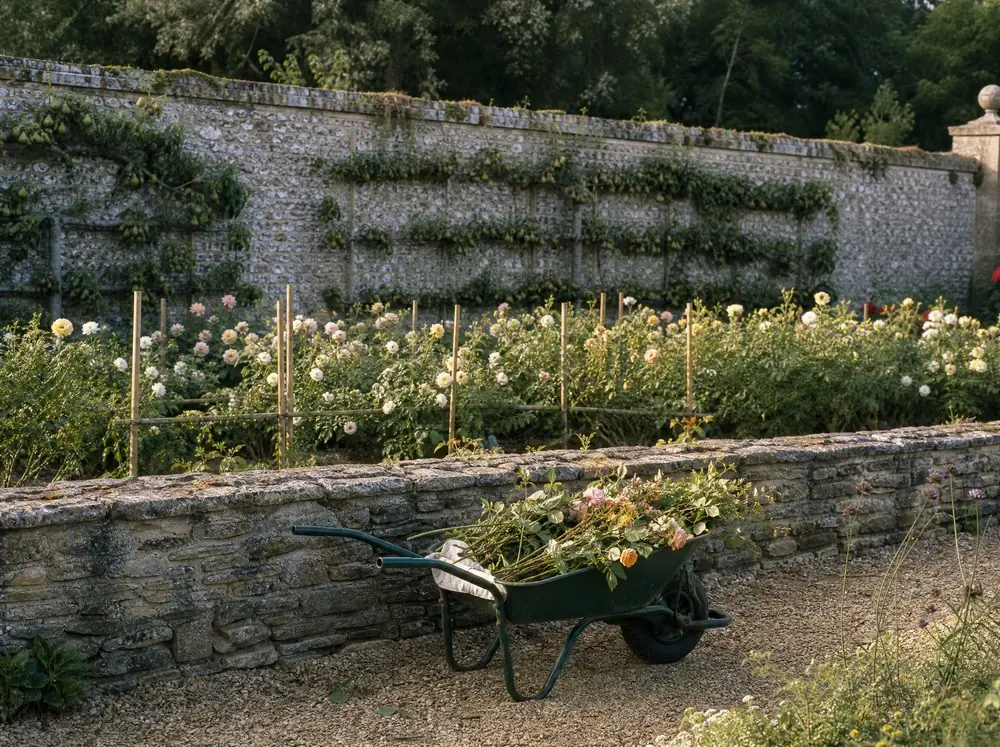
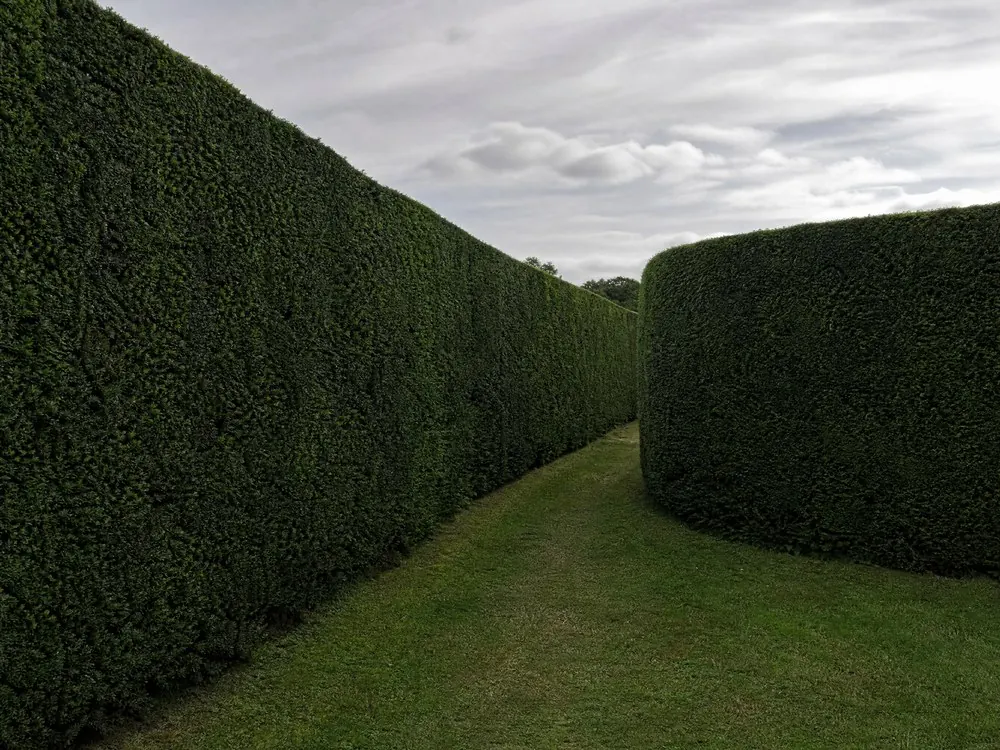
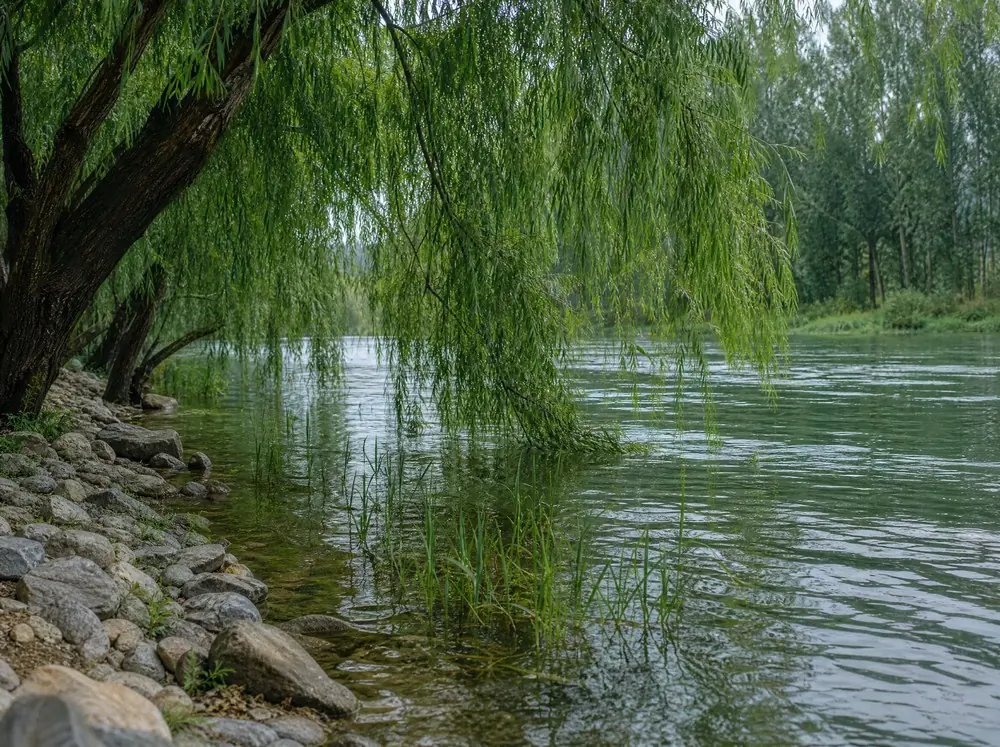
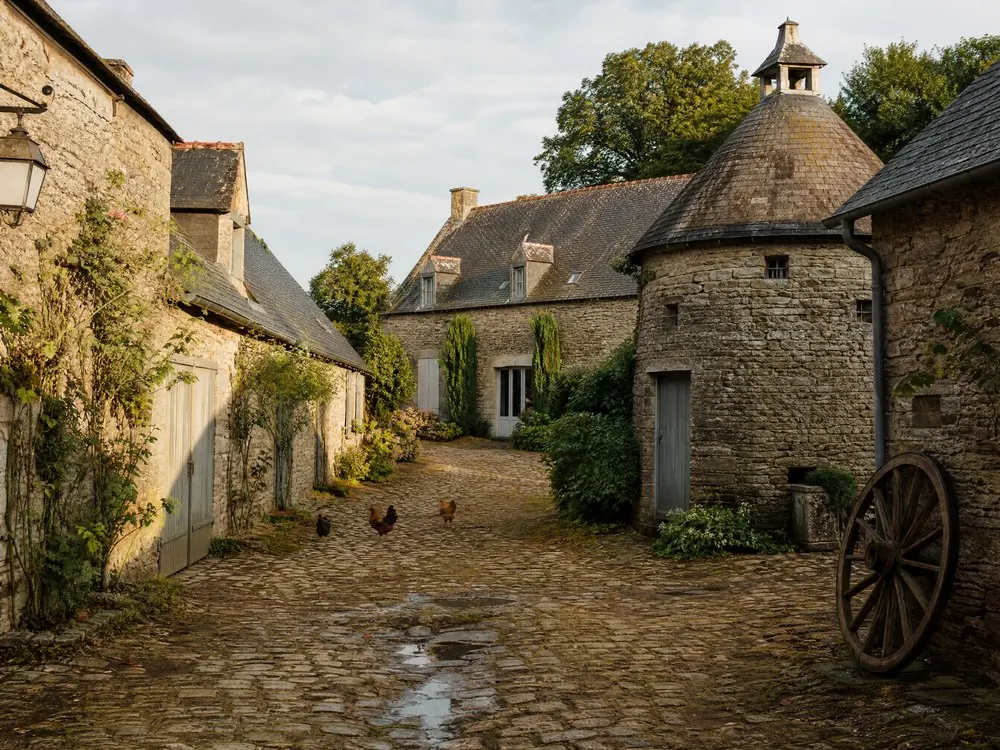
The estate you walk through to get there
The avenue, both formal gardens, the labyrinth, the Cher and the sixteenth-century farm. All of it is on the one admission, and the operator’s own leaflet gives the labyrinth as two thousand yews over more than a hectare.
Six of the eighteen, and what each one does about the ticket
Every card below reads its own listing page, crosses included. Eleven of the eighteen put the Chenonceau ticket in the price; one strikes it out in its own words; one is a bike hire whose page never mentions admission at all, so its card says the page is silent rather than speaking for it. The full table carries the admission column for all eighteen.
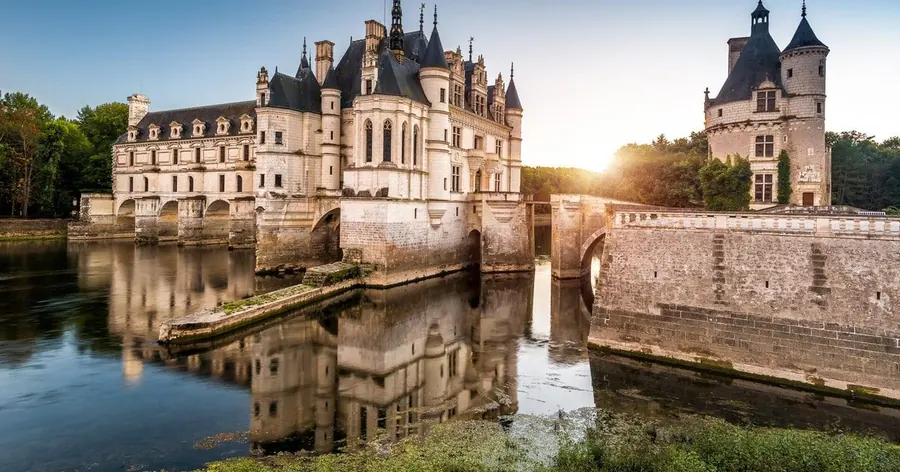 The ticket itself
Chenonceau Castle Admission Ticket
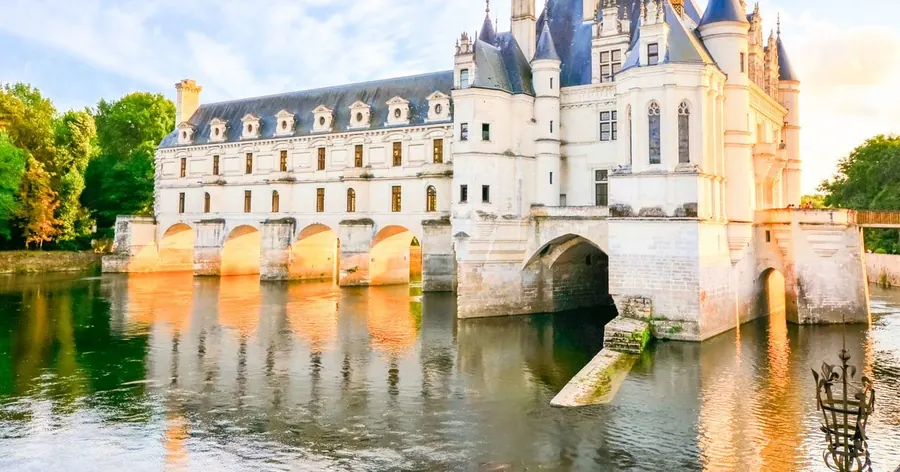 Private, capped at five
Chenonceau Castle: Private Guided Tour with Entry Ticket
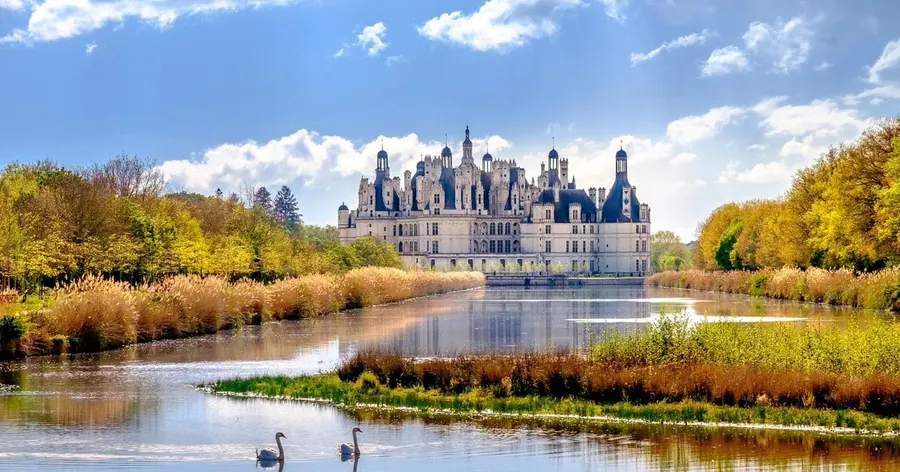 Most-rated by far
From Paris: Loire Valley Castles Day Trip With Wine Tasting
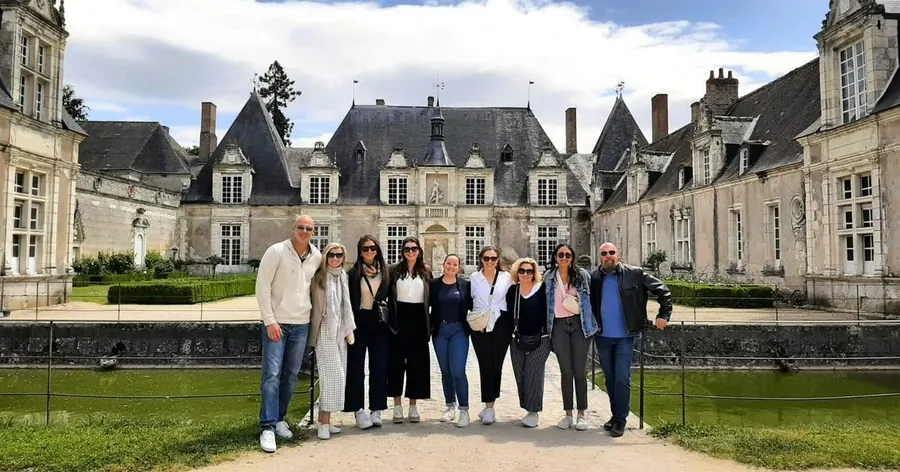 Best-rated from Amboise
From Amboise: Chambord and Chenonceau Tour with Lunch
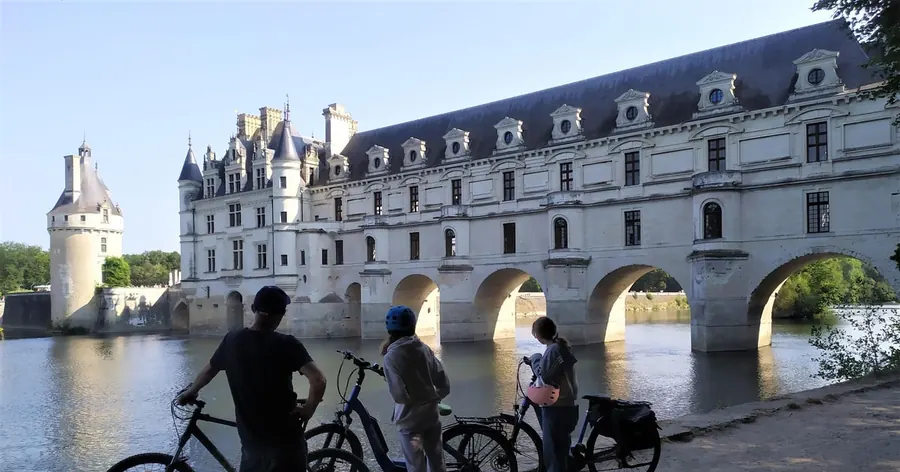 Ride and picnic, ticket separate
Chenonceau: E-Bike Guided Tour & Gourmet Picnic Lunch
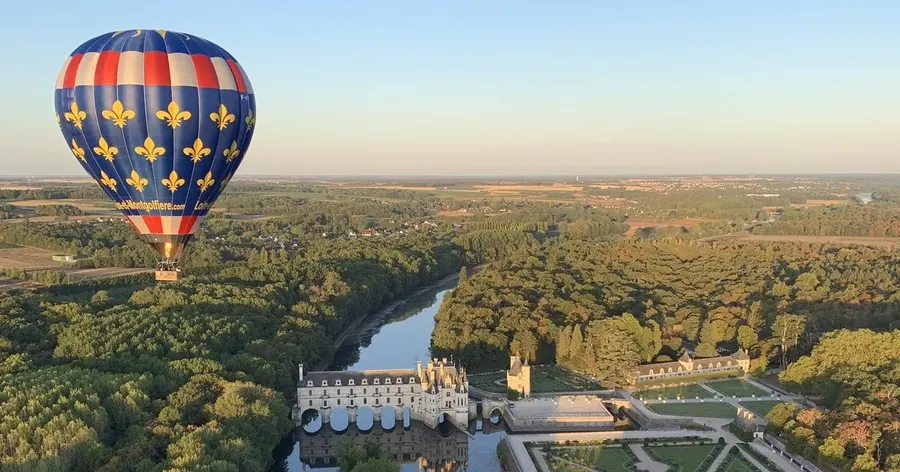 Over the château
Hot Air Balloon Flight above the Castle of Chenonceau
What people wrote afterwards
Written reviews from the listing pages, picked for the concrete detail — how long people stayed, what they did with the leaflet, what the boat under the arches was like. 161 of the 163 written reviews across all eighteen listings are five-star, and the star averages and rating counts on the cards above run from 4.2 to 5.0 across the whole catalogue.
The chateau is beautiful and well worth a visit. We didn’t bother with the audio guide but the free leaflet was very informative and provided more than enough information for both me and my daughters. The grounds are lovely and we had a very enjoyable half hour on a rowing boat going through the arches under the chateau. Would thoroughly recommend.
A castle where part of the History of France is well detailed. This chateau is magnificent. You can easily spend 3 hours there.
A wonderful castle on the Cher River; you can spend 4-5 hours there
Great visit! We got to see three châteaux. You do have to move quickly to see them all, though, as time passes faster than you expect. I also recommend eating breakfast at your hotel before you leave because there isn’t anything open in the morning while you’re waiting for the bus.
Very enjoyable bike ride along the Cher River and through the woods. Clément shared his passion for the region’s history with us. Very enjoyable picnic in front of the castle with local products. A very enriching experience; we had a great time, and the atmosphere was very friendly and cheerful. Go without a second thought; you’ll have a fantastic time with Clément. Denis, Corinne, and Maud
very little walking, lots of castle exploring with crisp anecdotes.
Ratings and reviews are the operators’ live GetYourGuide figures. Read our full tour reviews ›
Six things worth knowing before you go
The six questions people arrive with, answered from what the operator and the listings actually publish — including the two the operator leaves open, which are worth knowing about before you go.
Does the ticket cost the same online as at the door?
Yes, to the cent. The operator lists the adult ticket with the printed guide leaflet at about nineteen euros and the platform’s ticket is the same price, so booking ahead holds your place for what the desk would charge. The tariff in full, and that listing reviewed.
How long do people actually stay?
The operator publishes no suggested duration. Two reviewers on the ticket listing give theirs: Cécile writes that you can easily spend 3 hours there, Renata 4 to 5. Seventeen interior rooms on the route and two formal gardens outside is why the range runs that wide, and why most people who allow half a day are glad they did. How long you need.
Is it a sensible day trip from Paris?
It is 214 km each way and the Paris listings state their own duration as 13 hours. For three months of the year you are driving towards a 16:30 close. From Tours or Amboise it is about an hour of coach each way instead of three and a half. The Paris day, priced and timed.
Do the balloons go inside the château?
No — a balloon flight is the view from above and the three listings say so plainly, which is why they are the only ones in the catalogue that exclude nothing at all. Book one alongside the admission ticket rather than instead of it, and you get both. One reviewer gave the four-château flight three stars and wrote: “A bit misleading; you can never do all 4 castles in 1 hour. We only saw Chenonceau.” That is that one listing, not all three. By air and by bike.
Chenonceau or Chambord?
Different days out, and this site will not rank them on looks. Chambord is 5,440 hectares of walled estate, charges separately for the car park, and from 1 January 2026 charges two different adult prices at the door depending on whether you are an EEA citizen or resident. Chenonceau is one building on a river, one price for everybody, 400 m from a railway station. Compared on what is checkable.
Who owns it?
The Menier family, of the chocolate business, who bought it in 1913 for 1,361,660 francs and hold it still. The château is classé at the title of monuments historiques on the original 1840 list, it is privately owned, and it opens every day of the year, which for a French monument is genuinely unusual. Who owns it now.
Can’t make these dates?
Browse more available Château de Chenonceau tickets and tours and find one that fits your schedule — all with instant confirmation and free cancellation.
The Château de Chenonceau, explained
Chenonceau is a house built across a river, and almost everything else about it follows from that one decision: the gallery, the kitchens standing in the water, and the years when the river underneath was the frontier between occupied France and the free zone.
How a manor ended up in the middle of the Cher
Thomas Bohier, chamberlain to Charles VIII, bought the estate in 1513. The new residence went up between 1515 and 1521 on the foundations of a mill on the right bank, and his wife Katherine Briçonnet oversaw the work. Henri II gave the place to Diane de Poitiers after 1547; she took formal ownership in 1555 and had Philibert de l’Orme carry an arched bridge from the house to the far bank, across a river nobody particularly needed to cross at that spot. When Henri died in 1559, Catherine de’ Medici made Diane exchange Chenonceau for Chaumont and then did the thing that made the building famous: she roofed the bridge and put a gallery on top of it.
The operator’s leaflet dates that gallery: built 1576, inaugurated 1577. Fifty years after the house, and it is the half of the building nobody else in the Loire has.
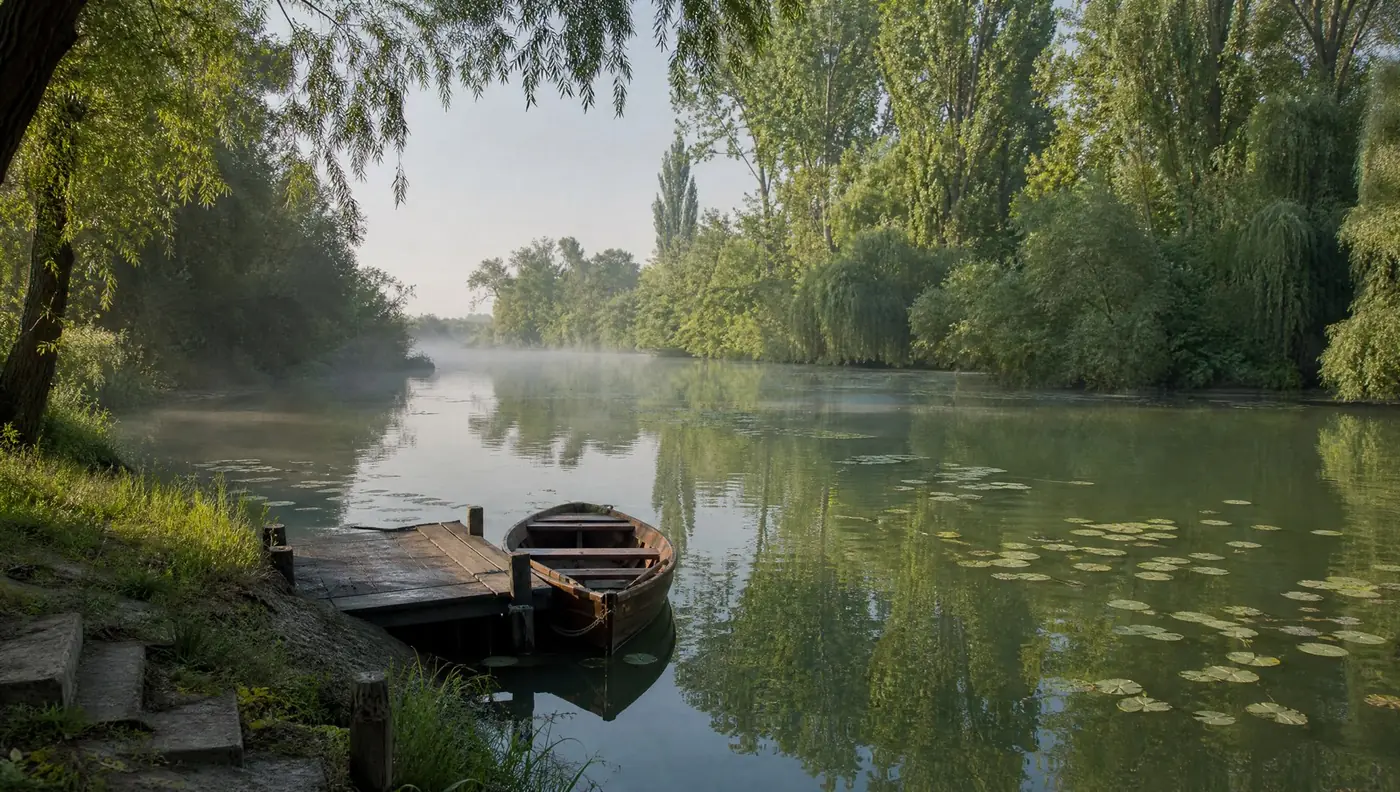
Sixty metres, and what they were once used for
The leaflet gives the gallery as sixty metres long and six wide, with eighteen windows. You go in at one end on the right bank and come out at the other on the left bank, which for most of the building’s life was just a very good walk over water.
For a few years it was not that at all. The operator’s leaflet, verbatim: “The Cher materialized the demarcation line. The castle’s entrance was in occupied territory (right bank). The gallery’s south door provided access to the left bank, allowing the Resistance to move many people to free territory.” The sixty metres people walked to get out of occupied France are the sixty metres you walk on a Tuesday with a leaflet in your hand. Almost nobody gets to the far end of it without stopping.
The room had done that kind of work before. In the First World War Gaston Menier put a military hospital in the gallery at his own expense, and his daughter-in-law Simonne Menier ran it.
The price, which is the unusual part
The operator’s published adult tariff is about nineteen euros and it includes the printed guide leaflet. The ticket sold through the platform on this page is about nineteen euros as well, so booking ahead holds your place for what the desk would charge. The audioguide is where the tiers differ: the operator’s audioguide ticket is about five euros more and it is an upgrade you add — the listing’s own words are “an optional audio guide which is also available in 16 languages”. Sheila, one of the reviewers on that listing, skipped it and wrote that the free leaflet gave her and her daughters more than enough.
Then there is Chambord, which nearly every coach from Paris pairs with this one. From 1 January 2026 Chambord’s door carries two adult prices: one for citizens and residents of an EEA country, a higher one for everybody else, on proof. The platform sells a Chambord ticket at a single price and its page does not say which of the two tariffs that is, and neither does the operator. Check before you assume.
How long, and when
There is no official answer to how long you need. The operator publishes no suggested duration, so the honest evidence is two reviewers on the ticket listing: Cécile wrote that you can easily spend 3 hours there, Renata that you can spend 4-5. The leaflet’s route names seventeen interior rooms and spaces and there are two large gardens outside, so both are plausible and neither is a rule.
The opening is the genuinely unusual bit. Chenonceau opens every day of the year, and the operator says so in as many words, naming 1 January and 25 December. What moves is the closing time, and the one to know is 16:30, which is when it shuts from 5 January to 3 April — three months in which a coach day from Paris is working against the clock. No last-admission time is published, so plan back from the close.
Getting there, and the coach question
It is 214 km from Paris and 34 km from Tours. By train, Paris-Montparnasse to Saint-Pierre-des-Corps takes about an hour, a TER on to Chenonceaux takes twenty-five minutes, and the SNCF station is 400 m from the ticket office. For a Loire château that last detail is rare, and it changes the whole calculation.
Six of the eighteen listings here are day trips out of Paris, and they state their own duration as thirteen hours. The most-rated carries 2,110 ratings, more than the admission ticket itself, and its own page crosses out guided tours inside the castles: you are driven there, walked to the door, and you go round alone. Three more do the same two châteaux from Tours or Amboise, about an hour of coach each way instead of three and a half. That, rather than the fare, is the comparison worth making.
The straightforward version
Take the train, buy the ticket, and give the place a morning rather than a stop. Walk the gallery slowly, drop into the kitchens in the bridge piers, then out to Diane’s parterre and Catherine’s and back along the water. If somebody else is driving, read what the listing crosses out before you read what it costs.
Frequently asked questions
How much is a ticket to the Château de Chenonceau?
The operator’s adult ticket, the one that comes with the printed guide leaflet, is about nineteen euros, and the audioguide version is about five euros more. The ticket sold on this page is the cheaper of the two, at the same price the door charges, so nothing is added on top. Children under seven go free. The full tariff, including the senior, student and group rates.
Is the Château de Chenonceau open every day?
Yes. The operator states it plainly and names the two days people assume are exceptions: 1 January and 25 December are both open. The hours change several times across the year, and the stretch to plan around is 5 January to 3 April, when it shuts at 16:30. The operator publishes no last-admission time, so this site does not print one. The full hours.
Why is the château built over a river?
It was not, at first. Thomas Bohier bought the estate in 1513 and the house went up between 1515 and 1521 on the foundations of a mill on the right bank. Diane de Poitiers commissioned Philibert de l’Orme in the 1550s to carry an arched bridge across to the far side, and after Henri II died in 1559 Catherine de’ Medici built a gallery on top of that bridge. When it was built.
What happened at Chenonceau during the Second World War?
The river underneath it was the demarcation line. The operator’s own leaflet says so: “The Cher materialized the demarcation line. The castle’s entrance was in occupied territory (right bank). The gallery’s south door provided access to the left bank, allowing the Resistance to move many people to free territory.” In the previous war the same gallery had been a military hospital, where 2,254 wounded soldiers were treated up to 31 December 1918. The gallery in two wars.
How long do you need at Chenonceau?
The operator gives no suggested duration. Two reviewers on the ticket listing give theirs: one says you can easily spend 3 hours there, the other 4-5. Seventeen interior rooms on the route and two formal gardens outside is why both are right, and the ticket is valid for the day. How long you need.
Is Chenonceau the most visited château in France after Versailles?
We could not verify it. The château does not make the claim and publishes no visitor figure at all; the numbers repeated elsewhere disagree with each other and carry no recent year. Chambord, meanwhile, publishes a dated figure in its own press release and claims that rank for itself. The strongest sourced statement is that Chenonceau is the most-visited privately owned château in France, and even that figure is over a decade old. What checking actually turned up.
Do the Paris day trips include a guided tour inside the castles?
Usually not, and it is the thing most people assume they are buying. The most-rated Paris day, at 4.7 from 2,110 ratings, crosses out “Guided tours inside the castles” on its own page: you are driven there, walked to the door, and you go round alone. One small-group Paris listing says as much up front instead, in the inclusion itself — “Tour guide OUTSIDE of each château”. The six Paris listings.
How many rooms does the Château de Chenonceau have?
There is no official answer. The operator publishes no room total, so the only defensible count is the one you can make from its own leaflet: seventeen interior rooms and spaces on the visitor route, plus the terrace and the Tower of the Marques. Why the counts you see differ.
Still have questions? Email us [email protected]